The rise and rise of student accommodation
Residential Focus
While other sectors have been struggling with development viability issues in the city centre, Purpose Built Student Accommodation (PBSA) is still on a growth trajectory, fuelled by growing demand and backed by investors keen to take a slice of an undersupplied asset class offering strong returns.
Bristol has something of a unique relationship with PBSA, with sector pioneer Unite beginning its stellar journey in the city back in 1991. In the early 2000s, the conversion of a series of unloved office buildings near Queen’s Square became a case study of how the sector can also play a part in revitalising our city centres… as well as take surplus ageing office stock out of the market.
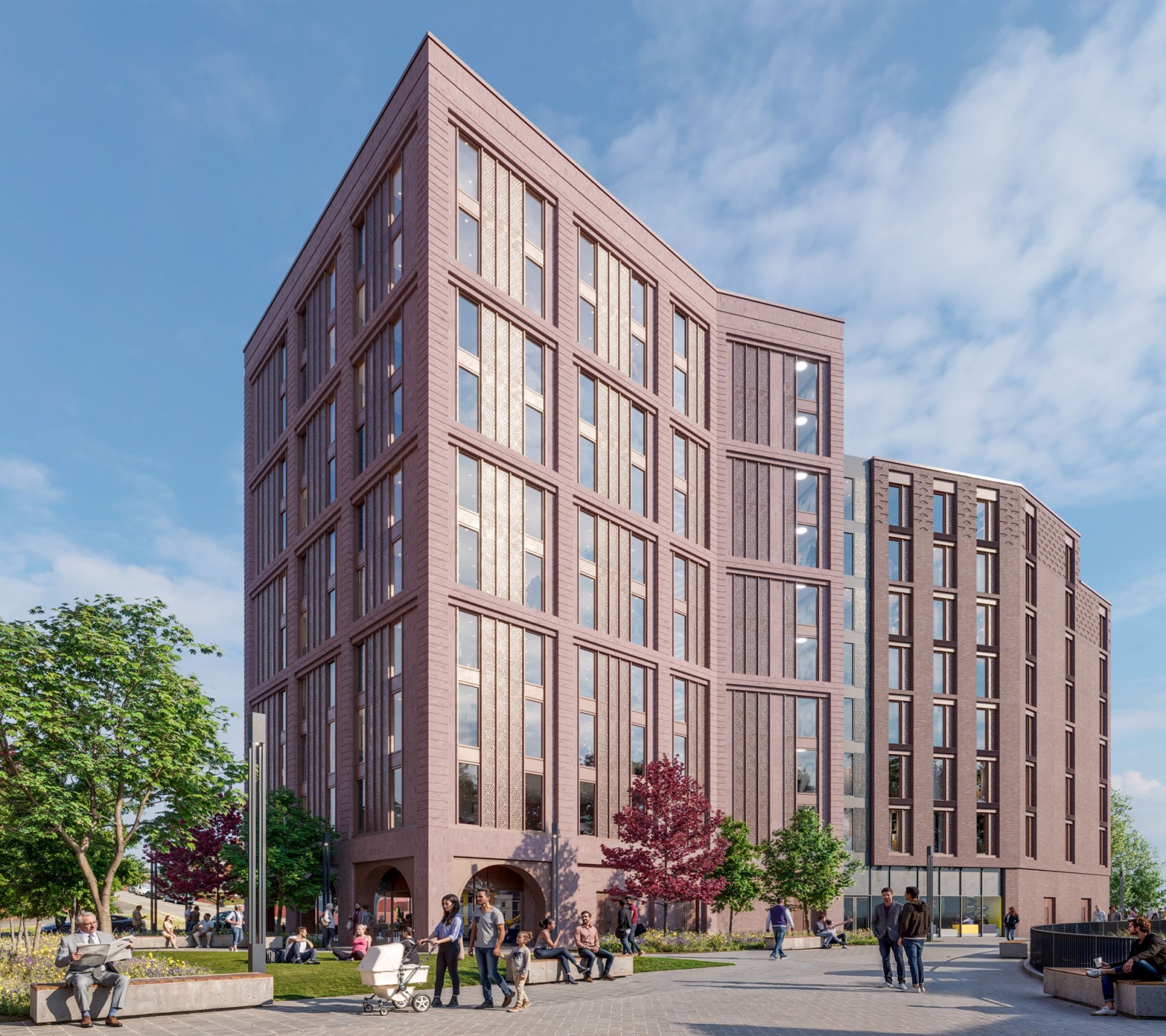
Fast forward to 2026 and PBSA is still very much in growth mode, with high rise buildings soaring out of the ground in and around the new Temple Quarter campus along with a pipeline of other projects in other central-ish locations such as Bedminster Green.
The sector isn’t without its critics locally – specifically those who would prefer to see more affordable housing being built in the city. But sheer economics mean that, in some parts of the city at least, it is the only show in town: investors see this as an asset class that can deliver good returns and offer strong rental growth.
The sale of Freestone Yards in Temple Quarter in August showed just how keen that investment appetite is. The 204-bed development was sold to Moorfield, and will crystallise around £60m in value once completed and stabilised: an exit yield of c5.75%.
Unmet demand
Part of that investor confidence is down to the continued growth of student numbers in the last quarter century… with more expected in the coming years. In 2001, the student population in Bristol between the two universities was 25,573. Today it is around 68,000… and projected to grow to 90,000 by 2039/40.
But as the number of students has grown, the number of beds to accommodate them has not kept pace. Bristol’s student population has increased by 14,960 during the past five years alone (the fastest amongst the ten largest non-London markets) with only 1,932 PBSA beds being completed during the same period. It now has a “Student to Bed” ratio of 2.9:1, the highest amongst Russell Group cities and third highest in the UK. That has led to the highest levels of rental growth of any location since 2018/19 at a CAGR of 4.1% compared to the peer group average of 2.8%.
Bristol PBSA rents are currently the highest outside London: this has started to become a deterrent to would-be occupiers, although the alternative of finding digs also remains challenging: average PBSA en-suite rents for University of Bristol are £222 per week (42 weeks) compared with £346 (51 weeks) for direct let.
Perhaps the bigger story needs to be told in order to bring onside those in the city not totally enamoured with PBSA. Providing an alternative to HMOs will help the city keep pace with the inexorable demand for rented accommodation – especially as more and more landlords sell up rather than tackle the growing regulatory and tax requirements.
And yes, students might put pressure on the rest of the housing market. But, without them, Bristol would lose one of its biggest economic drivers: our success as a city in recent decades has been due, in no small part, to its ability to retain many of the people who come to study here.