Sustaining the future
One of the feature articles in this edition looks at Welcome Building: the 207,000 sq ft speculative development rapidly taking shape in Temple Quarter. If any building exemplifies where we are going as an economy and a society, it is this one: it will be one of Bristol’s most sustainable workplaces to date, appealing to the growing number of quality occupiers anxious to burnish their ESG credentials as well as attract and retain talent.
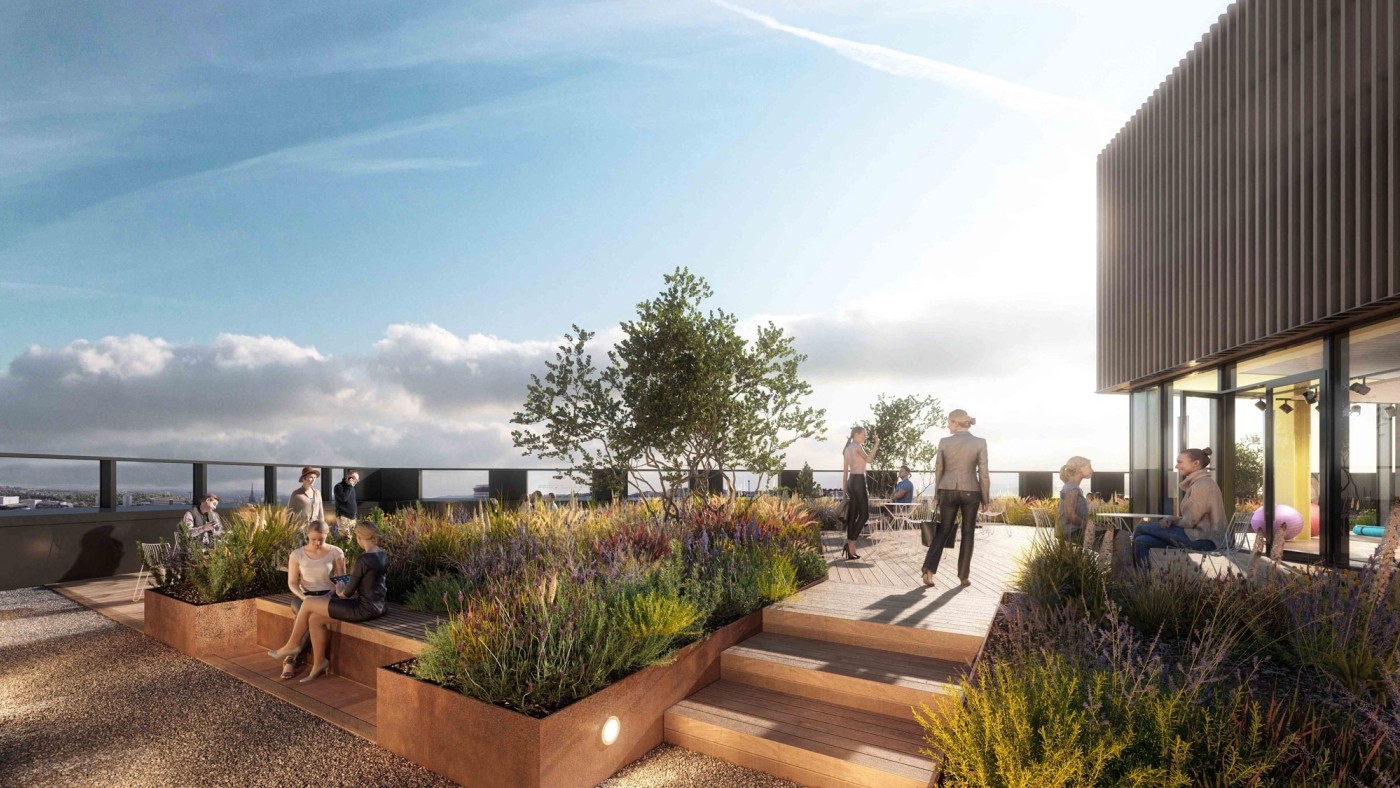
More and more of today’s office occupiers are also looking at the core-and-flex option that new developments like this offer: businesses don’t always know their forward requirements, especially those reliant upon contracts. Occupier needs are changing too: office space now has to accommodate other uses, including tech, creative and the non-lab side of life sciences.
Buildings that can bake all of these options into their design represent the next generation of workspaces.
That said, where does this leave the older generation of workplaces? Getting older second-hand buildings up to occupier expectations, as well as the new ESG rules, could prove very expensive: I don’t think it was a coincidence that a number of second-hand city centre buildings came up for sale in the middle of 2022.
Some landlords simply haven’t got the appetite or the funding capacity to do that.
It will potentially mean some buildings being repurposed, putting pressure on remaining stock. Of course, we’ve seen this before in Bristol with the arrival of student accommodation in central Bristol and then PDR, and both waves helped the market.
However, we do need a balance. Not every business can afford Grade A space, and we don’t want to lose those enterprises – not just because of the vibrant mix of uses they bring, but because some will evolve into Bristol’s big occupiers of the future. We need a supply of lower cost, flexible space, and this is something the market needs to resolve, quite possibly in conjunction with the City Council.
And that’s the note I would like to end on. Uniquely, we represent commercial and residential members, landlords and occupiers, developers and their backers, so we can look at the market in the round and what the planning priorities should be to strike a good balance between residential supply and future employment land. We can act as “honest brokers”.
I’m pleased to say that we’re now having very productive conversations – and more of them than we have ever had – with Bristol City Council as well as some adjoining authorities. We recognise the pressures they are under, and they are listening to us and trying to work with us. In difficult times, partnership working between the private and public sectors has to be the way forward and now is the time to prove that.